Back to Contents

Start reading

Read Standard
Milestones Completed
The MA Leading Hotel Transformation (MA.LHT) programme ensures that graduates achieve academic excellence while being industry ready. Students demonstrate their ability to meet intended learning outcomes (PLOs) through a comprehensive and rigorous curriculum that includes assessments, industry-driven projects, and applied research.
Graduate Profile and Industry Alignment
Graduates of the MA.LHT programme are specialists with a comprehensive understanding of sustainability transformation, digital transformation, strategic leadership, and innovation management. Through the integration of design-based research and practical industry projects, they gain hands-on experience in key areas such as operational efficiency, guest service technology, strategic foresight and hotel organisation leadership. These competencies enable them to lead change initiatives and digital transformations in the global hospitality industry, demonstrating both academic excellence and real-world leadership readiness.
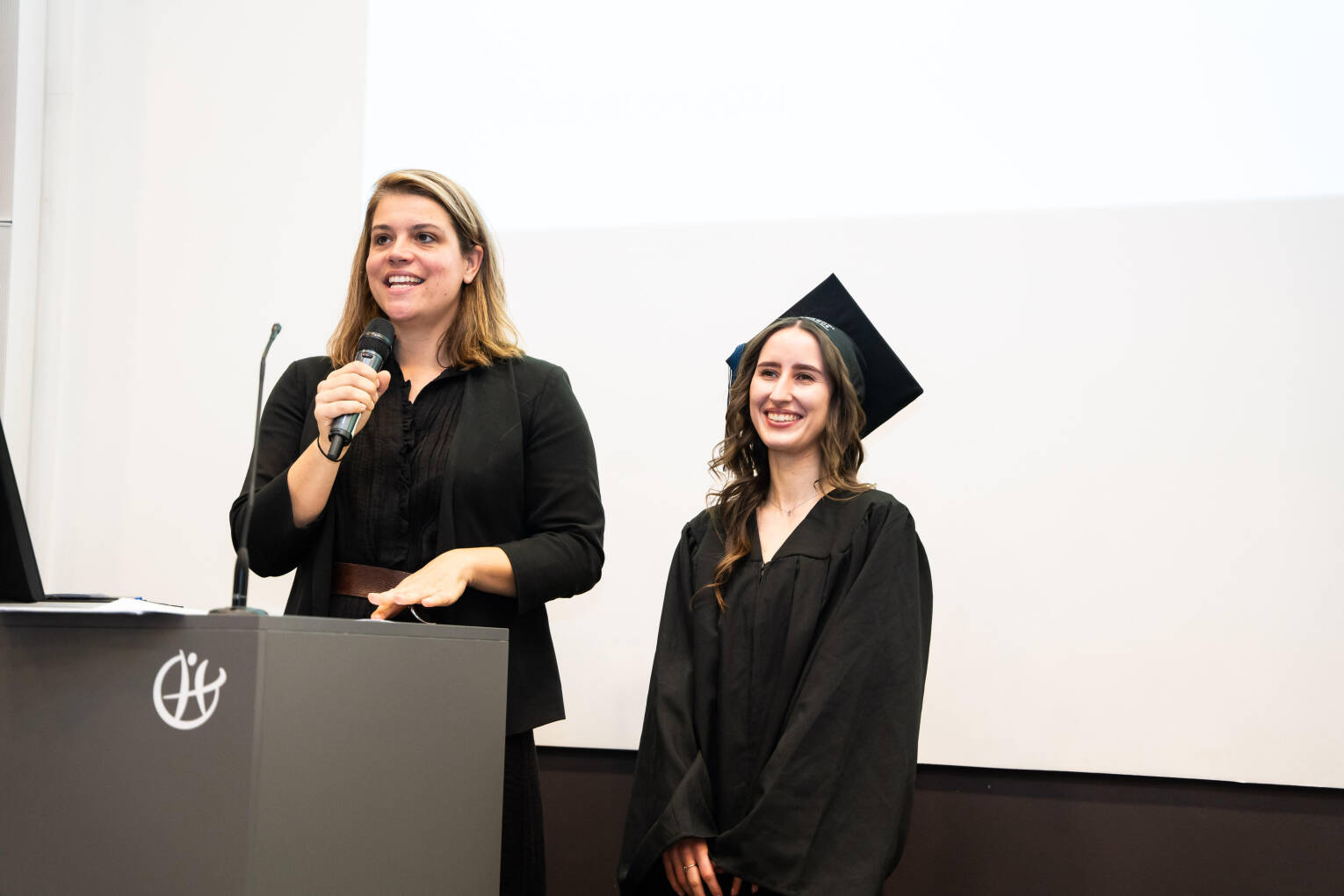
The programme’s structure allows students to personalise their learning trajectory by choosing specific Programme Learning Outcomes (PLOs) to focus on during the graduation phase. This flexibility enables students to tailor their final capstone projects and research to meet both academic and personal career goals, fostering deeper engagement with topics that align with their professional aspirations.
Furthermore, the graduate profile aligns with industry needs, equipping students with the leadership skills required to navigate a rapidly evolving hospitality sector. An ongoing dialogue between the programme, alumni, and industry partners ensures that the competencies developed remain relevant to emerging industry trends. Alumni feedback is actively integrated into curriculum development, refining learning experiences and strengthening the alignment between academic training and professional expectations. This continuous collaboration enhances graduates’ readiness to drive innovation, lead transformation, and adapt to the dynamic hospitality landscape.
Achieved End Level of Graduates
The MA.LHT programme aligns with the Dublin Descriptors, NLQF/EQF Level 7, and the Professional Master standard in the Netherlands, ensuring that graduates meet both academic and industry expectations. Students develop advanced problem-solving skills, critical thinking, and independent research abilities, enabling them to apply theoretical concepts to complex industry challenges. The programme fosters transformational leadership competencies that prepare graduates to drive digital transformation, sustainability initiatives, and operational innovation within the hospitality sector.
The constructively aligned curriculum ensures that all coursework supports the MA.LHT’s overarching objectives, culminating in a Final Thesis trajectory that bridges academic achievement with professional application. External audits, including the THE-ICE reviews commissioned by Hotelschool The Hague, confirmed that these projects meet international academic and professional standards in execution, analysis, and delivery. To uphold academic integrity and monitor student achievement, the Exam Committee conducts annual screenings of graduation theses and performs spot checks during Final Thesis defence events. These measures ensure that graduates consistently meet the required Master’s level (NLQF Level 7) competencies, reinforcing the programme’s commitment to excellence.
As part of the continuous commitment to maintaining the quality and rigour of the programme, the 2024 Final Thesis assessment rubric has been revised to strengthen the evaluation of student performance. Incorporating feedback from the Level-Check panel recommendations, the updated rubric enhances alignment with both academic expectations and industry relevance. Key improvements include a stronger emphasis on assessing students’ Adversity Quotient (AQ) - their ability to navigate challenges - and their level of industry engagement. Additionally, the revised grading framework introduces clearer score intervals, improving differentiation in assessment criteria and mitigating grade concentration. These refinements enhance the feedback process, ultimately leading to a more comprehensive evaluation of students' capabilities in both academic and professional contexts.
By reinforcing these assessment criteria, the Final Thesis ensures that graduates meet the required end level in accordance with the Dublin Descriptors and the Master’s qualifications framework. This affirms their ability to apply advanced knowledge, conduct independent research, and contribute meaningfully to professional practice with strategic and innovative impact.
Back to top
Start reading
Back to Contents

Read Standard
The MA.LHT programme aligns with the Dublin Descriptors, NLQF/EQF Level 7, and the Professional Master standard in the Netherlands, ensuring that graduates meet both academic and industry expectations. Students develop advanced problem-solving skills, critical thinking, and independent research abilities, enabling them to apply theoretical concepts to complex industry challenges. The programme fosters transformational leadership competencies that prepare graduates to drive digital transformation, sustainability initiatives, and operational innovation within the hospitality sector.
The constructively aligned curriculum ensures that all coursework supports the MA.LHT’s overarching objectives, culminating in a Final Thesis trajectory that bridges academic achievement with professional application. External audits, including the THE-ICE reviews commissioned by Hotelschool The Hague, confirmed that these projects meet international academic and professional standards in execution, analysis, and delivery. To uphold academic integrity and monitor student achievement, the Exam Committee conducts annual screenings of graduation theses and performs spot checks during Final Thesis defence events. These measures ensure that graduates consistently meet the required Master’s level (NLQF Level 7) competencies, reinforcing the programme’s commitment to excellence.
As part of the continuous commitment to maintaining the quality and rigour of the programme, the 2024 Final Thesis assessment rubric has been revised to strengthen the evaluation of student performance. Incorporating feedback from the Level-Check panel recommendations, the updated rubric enhances alignment with both academic expectations and industry relevance. Key improvements include a stronger emphasis on assessing students’ Adversity Quotient (AQ) - their ability to navigate challenges - and their level of industry engagement. Additionally, the revised grading framework introduces clearer score intervals, improving differentiation in assessment criteria and mitigating grade concentration. These refinements enhance the feedback process, ultimately leading to a more comprehensive evaluation of students' capabilities in both academic and professional contexts.
By reinforcing these assessment criteria, the Final Thesis ensures that graduates meet the required end level in accordance with the Dublin Descriptors and the Master’s qualifications framework. This affirms their ability to apply advanced knowledge, conduct independent research, and contribute meaningfully to professional practice with strategic and innovative impact.
Achieved End Level of Graduates
Graduates of the MA.LHT programme are specialists with a comprehensive understanding of sustainability transformation, digital transformation, strategic leadership, and innovation management. Through the integration of design-based research and practical industry projects, they gain hands-on experience in key areas such as operational efficiency, guest service technology, strategic foresight and hotel organisation leadership. These competencies enable them to lead change initiatives and digital transformations in the global hospitality industry, demonstrating both academic excellence and real-world leadership readiness.
Graduate Profile and Industry Alignment
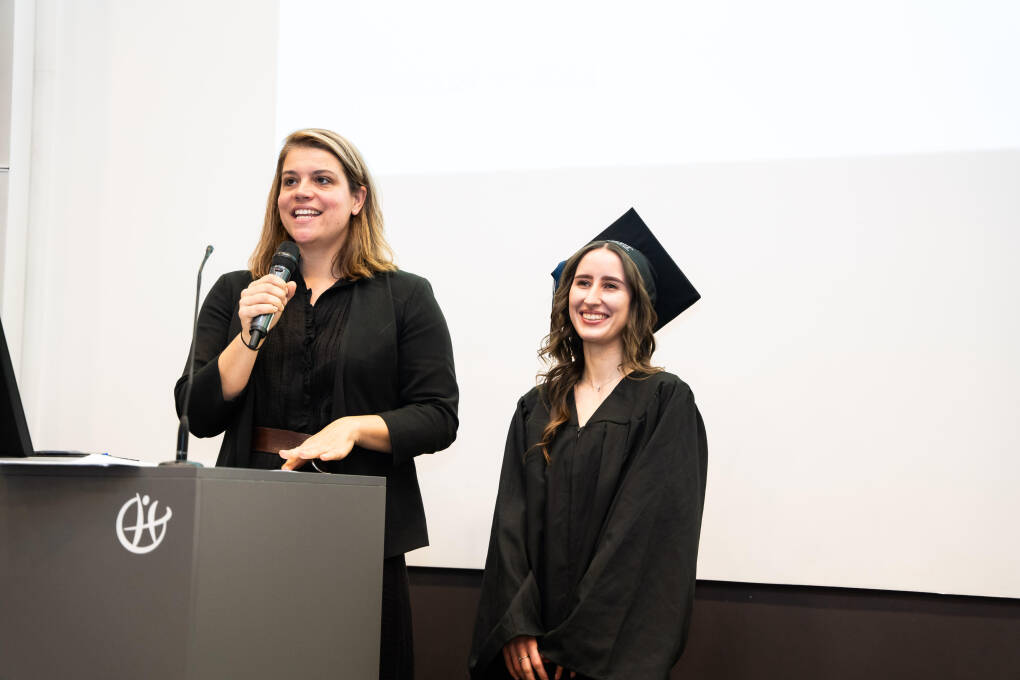
The programme’s structure allows students to personalise their learning trajectory by choosing specific Programme Learning Outcomes (PLOs) to focus on during the graduation phase. This flexibility enables students to tailor their final capstone projects and research to meet both academic and personal career goals, fostering deeper engagement with topics that align with their professional aspirations.
Furthermore, the graduate profile aligns with industry needs, equipping students with the leadership skills required to navigate a rapidly evolving hospitality sector. An ongoing dialogue between the programme, alumni, and industry partners ensures that the competencies developed remain relevant to emerging industry trends. Alumni feedback is actively integrated into curriculum development, refining learning experiences and strengthening the alignment between academic training and professional expectations. This continuous collaboration enhances graduates’ readiness to drive innovation, lead transformation, and adapt to the dynamic hospitality landscape.
The MA Leading Hotel Transformation (MA.LHT) programme ensures that graduates achieve academic excellence while being industry ready. Students demonstrate their ability to meet intended learning outcomes (PLOs) through a comprehensive and rigorous curriculum that includes assessments, industry-driven projects, and applied research.
Milestones Completed
Back to top